
stand up mirror with lights
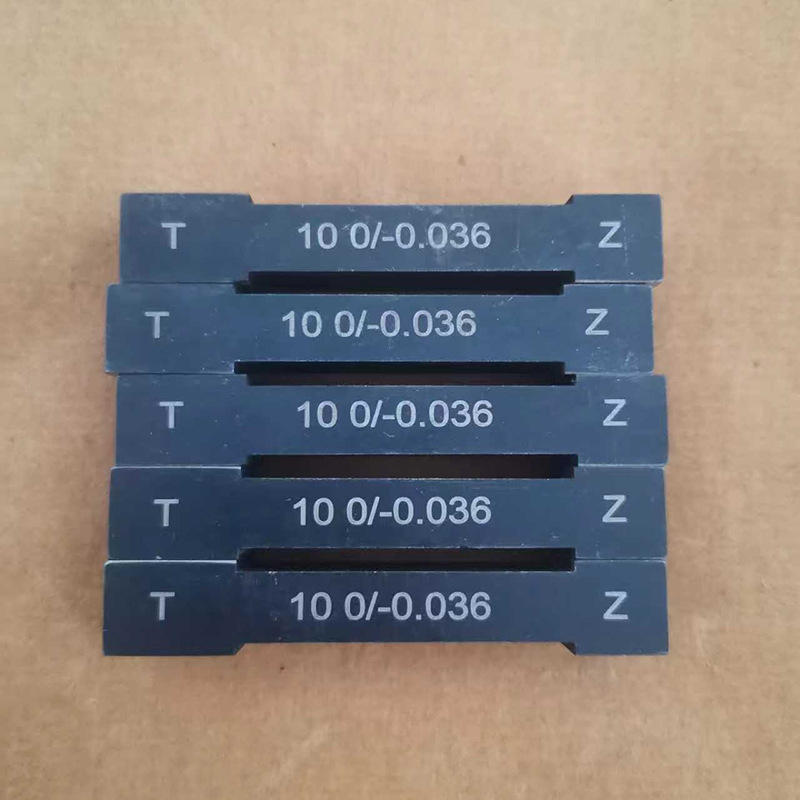
Understanding Gauge Pin Class A Comprehensive Overview In the world of manufacturing and precision engineering, the importance of accurate measurements cannot be overstated. One crucial tool that assists in achieving these precise measurements is the gauge pin. Specifically, the gauge pin class is a concept that plays a significant role in ensuring the effectiveness and reliability of these measuring instruments. What is a Gauge Pin? A gauge pin is a precision tool used for measuring the size of holes, checking the alignment of parts, and verifying dimensions within manufacturing processes. They come in various diameters and are typically made from hardened steel or carbide to withstand wear and tear, ensuring longevity and accuracy. The use of gauge pins is critical in quality control and assurance functions, where they are utilized to test the conformity of manufactured components. The Significance of Gauge Pin Class Gauge pins are categorized into classes based on their tolerances and applications, which is what we refer to as the gauge pin class. This classification system helps manufacturers select the appropriate gauge pin for a specific measurement task, ensuring that the tools align with the necessary precision requirements. 1. Tolerance Levels Different classes of gauge pins have specific tolerance levels that dictate how much deviation from the nominal size is permissible. The tighter the tolerance, the more precise the gauge pin must be, which is particularly important in industries such as aerospace, automotive, and medical device manufacturing, where precision is paramount. 2. Applications Each gauge pin class has its designated applications . For instance, a higher class pin may be used in tasks that necessitate tighter tolerances, while a lower class might suffice for less critical applications. Understanding the appropriate gauge pin class ensures that engineers and technicians use the right tool for the job, minimizing the risk of errors. Choosing the Right Gauge Pin Class gauge pin class When selecting a gauge pin, several factors must be considered - Measurement Requirements Determine the degree of precision required for the specific application. If the tolerances are strict, a high-precision gauge pin is essential. - Material Compatibility The material of the gauge pin must be compatible with the components being measured to prevent wear or damage. For high-volume production, using more durable materials can reduce replacement costs in the long run. - Environmental Considerations Gauge pins used in harsh environments must be able to withstand potential corrosive elements. In such cases, the material and coating of the pins become critical to prolong their life and maintain measurement integrity. Maintenance of Gauge Pins To ensure that gauge pins retain their accuracy over time, maintenance practices must be implemented. This includes - Regular Calibration Gauge pins should undergo periodic calibration to confirm their precision. This can be done using master gauges that provide a reference standard for measurement. - Cleaning and Inspection After use, gauge pins should be cleaned to remove any debris or contaminants. Regular inspections for wear, chips, or deformation are necessary to identify any issues that could impact measurement accuracy. - Proper Storage Gauge pins should be stored in protective cases to prevent damage. Keeping them away from humidity and extreme temperatures can also help maintain their precision. Conclusion In the realm of precision measurement, gauge pins serve as indispensable tools that ensure product quality and compliance with stringent engineering standards. Understanding gauge pin class, its significance, and how to choose and maintain these tools can significantly enhance measurement accuracy and reliability in manufacturing processes. As industries continue to evolve and the demand for precision increases, the proper application of gauge pin classes will remain a vital aspect of engineering and quality assurance.
about
stand up mirror with lights
Pilot Controlled Check Valve En Nøglekomponent i Hydrauliksystemer I hydrauliksystemer spiller forskellige komponenter en væsentlig rolle i at sikre, at systemet fungerer effektivt og pålideligt. En sådan komponent er pilot controlled check valve, eller på dansk, pilothåndteret tilbageholdelsesventil. Denne ventil type er designet til at forhindre tilbageflow i systemet, samtidig med at den muliggør kontrol af flowretningen under specifikke forhold. I denne artikel vil vi se nærmere på funktionaliteten, anvendelserne og fordelene ved pilothåndterede tilbageholdelsesventiler. Funktionalitet En pilothåndteret tilbageholdelsesventil fungerer ved hjælp af en pilotfunktion, der leverer en mekanisme for at åbne og lukke ventilen baseret på hydraulisk tryk. Det primære aspekt ved disse ventiler er, at de tillader flow i én retning, men kan åbnes i den modsatte retning ved hjælp af et lavere tryk, som styres af en pilotventil. Dette betyder, at mens den primære flowvej er lukket for at forhindre tilbageflow, giver det pilotaktiverede system mulighed for at overvinde denne lukning under kontrollerede forhold. En sådan mekanisme er afgørende i systemer, hvor der kan opstå trykforskelle, som kan skade udstyret eller påvirke systemets integritet. Ved at benytte en pilothåndteret tilbageholdelsesventil kan operatøren sikre, at flowet forbliver stabilt og effektivt, mens risiciene for trykpik og skader minimeres. Anvendelser Pilothåndterede tilbageholdelsesventiler anvendes i en bred vifte af industrier og applikationer. De ses ofte i hydrauliksystemer, der bruges i maskiner som gravemaskiner, kraner, og landbrugsudstyr. Disse ventiler er også essentielle i systemer, der beskæftiger sig med flydende medier, såsom olie- og gasproduktion, vandforsyning og industrielt udstyr. pilot controlled check valve En af de mest almindelige anvendelser er i hydrauliske systemer, hvor sikkerheden og effektiviteten er altafgørende. Ventilernes evne til at forhindre tilbageflow beskytter også mod potentielle skader på pumper og ventiler, hvilket kan medføre store omkostninger for virksomheder. Desuden anvendes disse ventiler ofte i applikationer, hvor der kræves præcis kontrol over flowet, såsom i automatiske systemer og proceskontrol. Fordele Der er flere fordele ved at anvende pilothåndterede tilbageholdelsesventiler. For det første sikrer de optimal beskyttelse mod tilbageflow, hvilket forlænger levetiden på udstyret og reducerer vedligeholdelsesomkostningerne. Samtidig muliggør de en effektiv og kontrolleret drift af hydrauliksystemer, som kan tilpasses forskellige operationelle krav. Desuden giver de en høj grad af fleksibilitet. Pilotfunktionen kan nemt justeres til at imødekomme specifikke flowkrav, hvilket gør disse ventiler ideelle til dynamiske systemer, hvor forholdene kan ændre sig hurtigt. Deres kompakte design betyder også, at de let kan integreres i eksisterende systemer uden at kræve omfattende modifikationer. Konklusion Pilothåndterede tilbageholdelsesventiler er uundgåelige komponenter i moderne hydrauliksystemer. Deres evne til at kontrollere flowretningen effektivt og sikre, at der ikke opstår tilbageflow, gør dem til en vital del af mange industrielle applikationer. Med de mange fordele, de tilbyder, er det klart, at disse ventiler vil fortsætte med at spille en afgørende rolle i optimeringen af hydrauliske systemer overalt.
-

High quality industrial productsagement

High quality industrial products
View Details -

Meet the diverse needs of customers

Meet the diverse needs of customers
View Details -

Strict quality control

Strict quality control
View Details -

Top raw materials

Top raw materials
View Details -

Trusted supplier

Trusted supplier
View Details
Our application

news and information
Van cầu Trung Quốc
Van cầu glob tại Trung Quốc Một cái nhìn tổng quan Van cầu glob là một loại van điều khiển lưu lượng

use of parallel ruler
The Use of Parallel Rulers An Essential Tool in Precision Measurement In various fields ranging from
What is the Use of a Thread Ring Gauge_
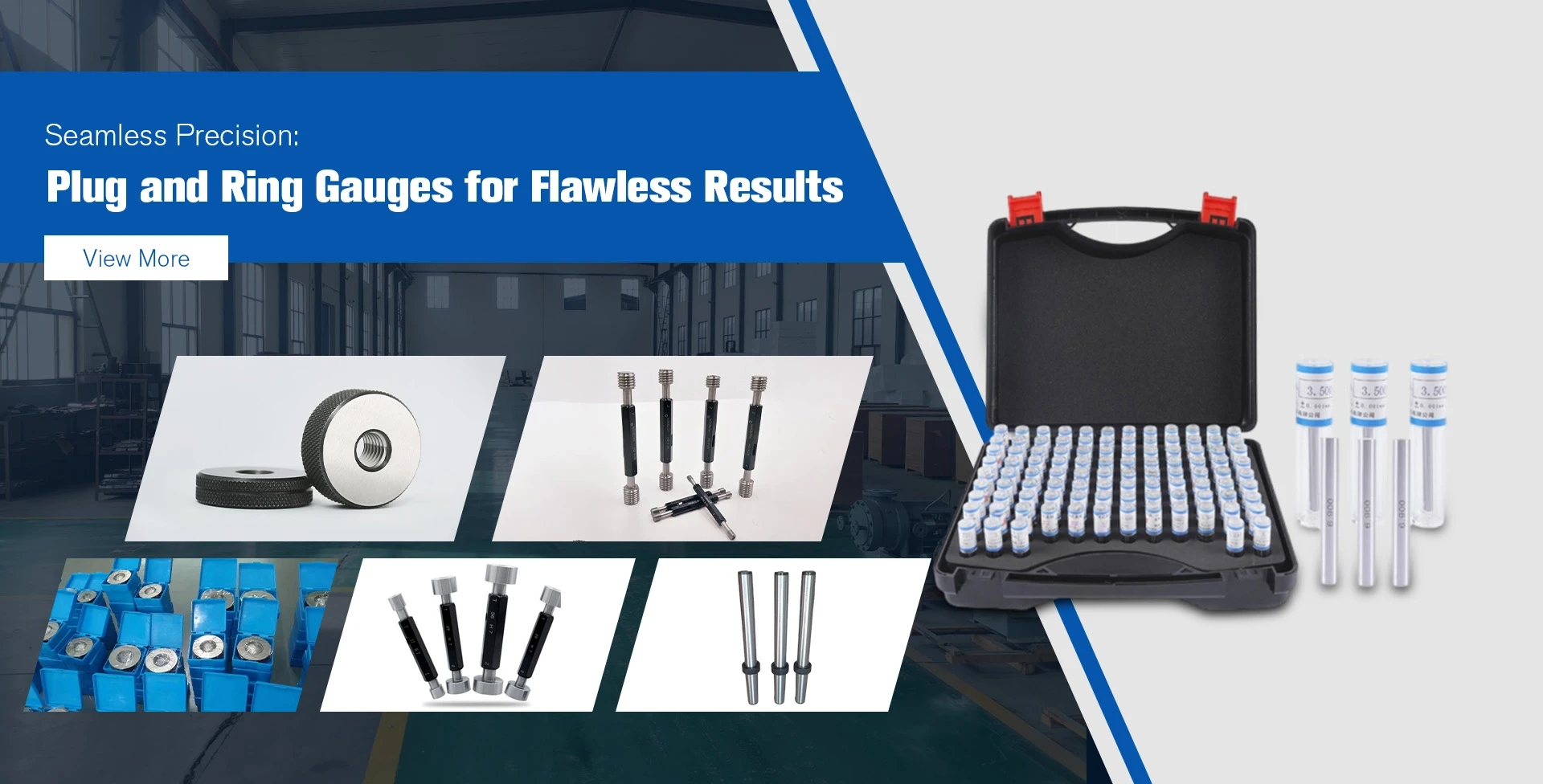
When it comes to precision in manufacturing and quality control, ensuring the accuracy of threads is
 English